EuroFM Welcomes Graduation Student Judith Bogema

EuroFM Welcomes Graduation Student Judith Bogema

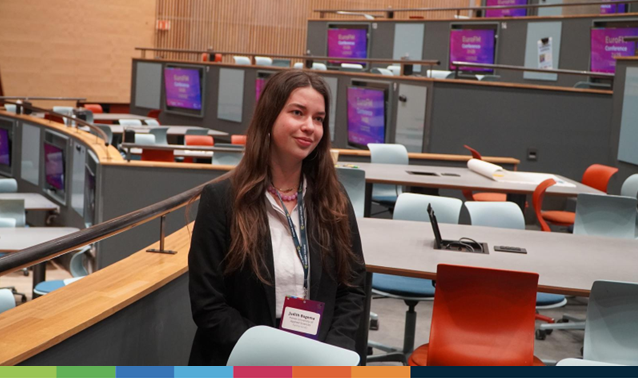
EuroFM is pleased to welcome Judith Bogema, a fourth-year Facility Management student at Hanze University of Applied Sciences in the Netherlands. From September until December 2026, Judith will conduct her graduation research in collaboration with EuroFM.

Her research will focus on how the Facility Management profession is evolving internationally and what these developments could mean for EuroFM’s future role as a European knowledge and networking platform.

The Facility Management sector is changing rapidly due to developments such as digitalisation, sustainability, changing workplace needs and new expectations from professionals and organisations. Judith’s research aims to provide strategic recommendations that will help EuroFM continue to create value for its members within this changing international environment.

As part of the research, Judith will conduct interviews, distribute a survey among EuroFM members and analyse relevant international trends and best practices. The experiences, ideas and perspectives of members from across the EuroFM community will therefore play an important role in the project.

“I am looking forward to connecting with many EuroFM members throughout this process, learning from their experiences and insights, and contributing to the future development of the EuroFM community,” Judith says.

EuroFM is looking forward to working with Judith and supporting her throughout her graduation research. Members may be invited to participate in an interview or complete the survey during the coming months.

We warmly welcome Judith to the EuroFM community and wish her every success with her research!

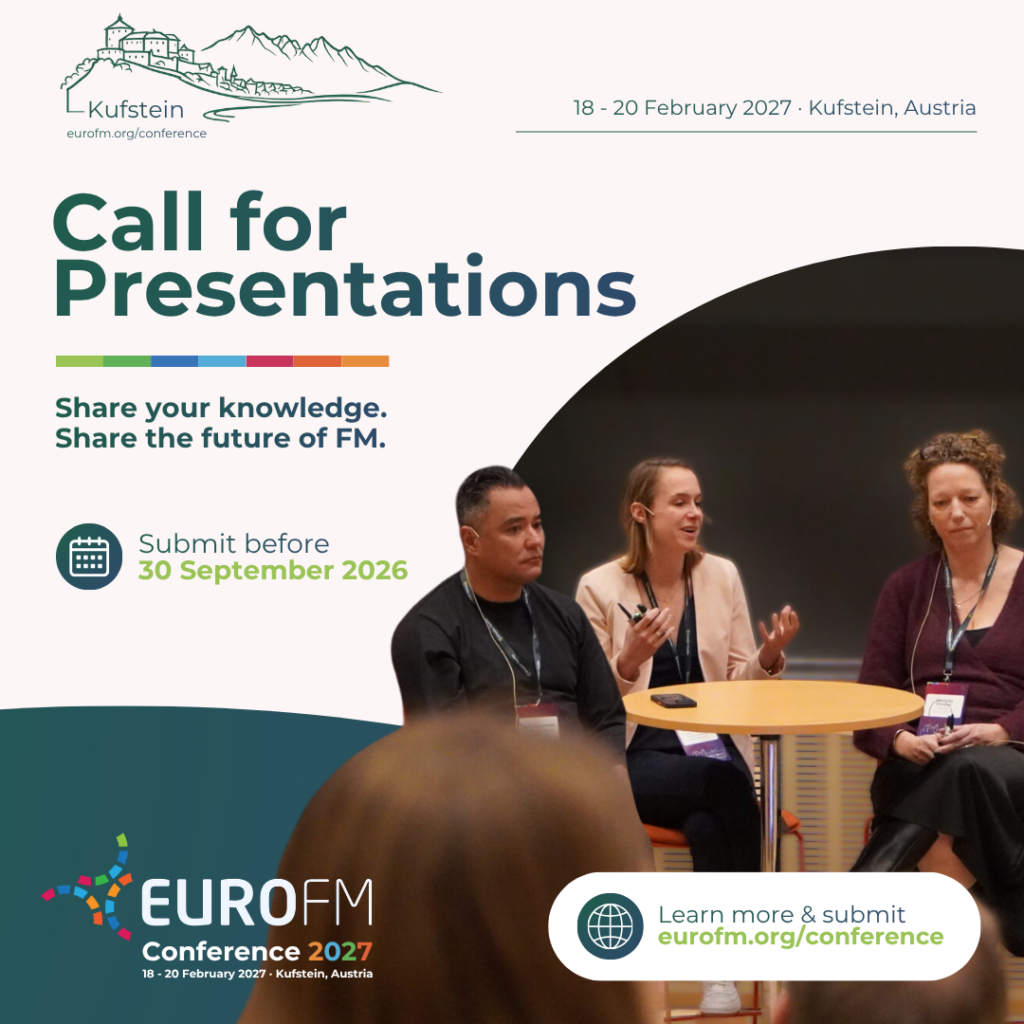
Take the Stage at EuroFM Conference 2027: Call for Presentations now open!

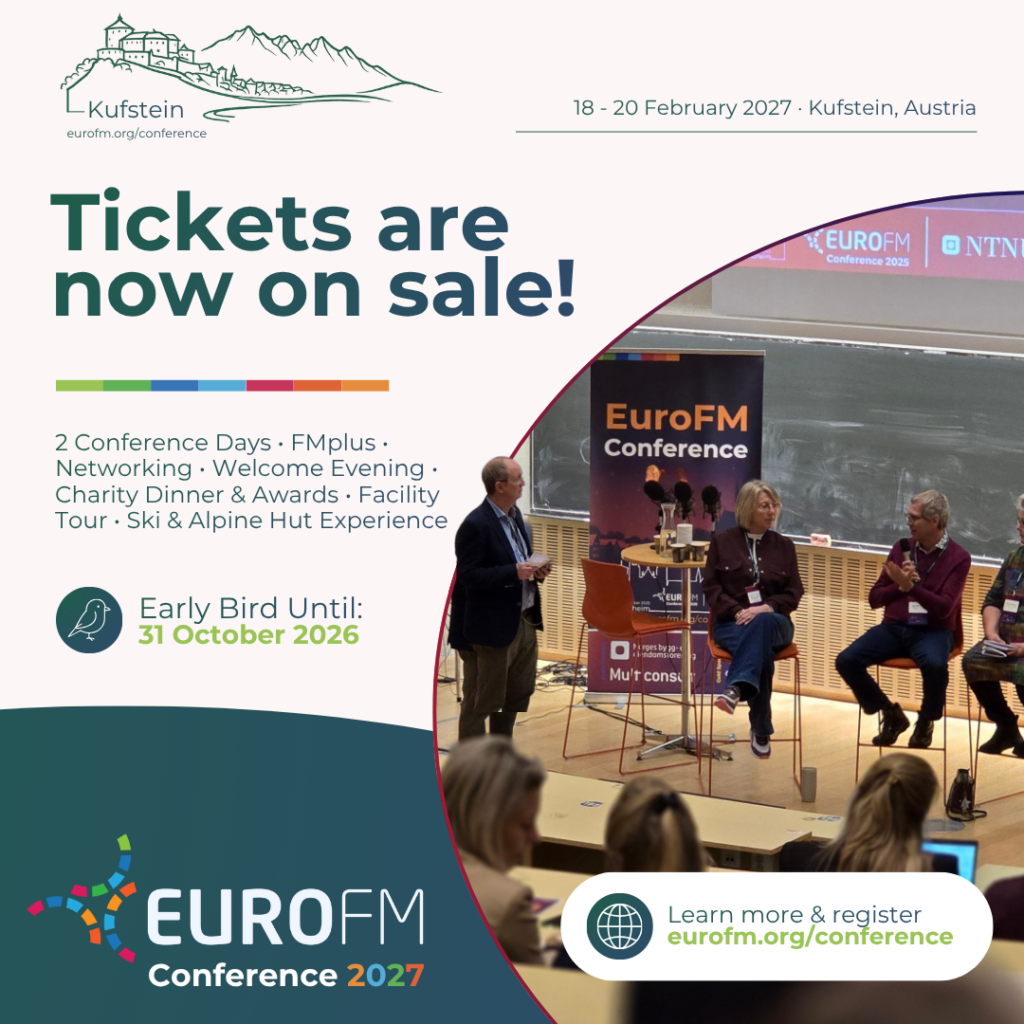
Get on stage at the 31st EuroFM Facility Management Conference in Kufstein, Tirol.

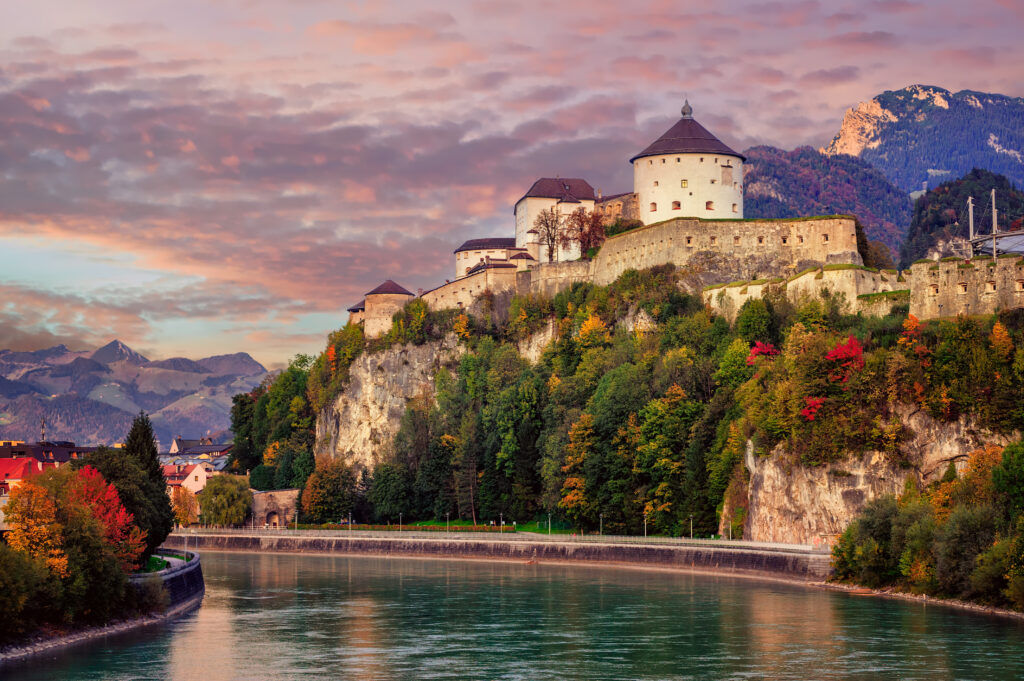
Following the closing of the Call for Papers for the Research Track, we are now opening the Call for Presentations for the General Room and Workshop Room of the EuroFM Conference 2027. Taking place on 18–19 February 2027 in Kufstein, Austria, this year’s conference will bring together Facility Management professionals, researchers, educators, students and industry leaders from across Europe and beyond.

Under the theme “Quarter of a Century in FM Research – Foundations and Frontiers.”, the conference will explore how FM continues to build on strong foundations while moving towards new frontiers in innovation, collaboration, technology, sustainability and organisational impact.

Share your knowledge with the EuroFM community

As every year, EuroFM is proud to connect local speakers and specialists with an international community of colleagues, creating a platform where practical experience, fresh ideas and diverse perspectives come together.

Whether you want to share a case study, facilitate a discussion, challenge current thinking or explore a specific topic in depth, we invite you to submit your proposal.

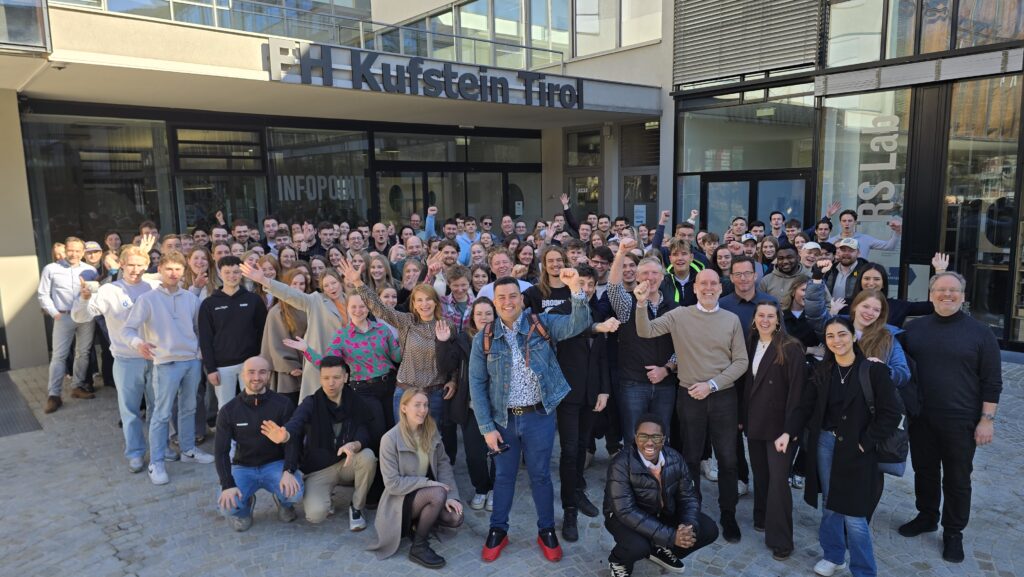
EuroFM and FH Kufstein Tirol invite professionals, experts and organisations to contribute to the regular conference programme. Presentations are a powerful way to spark innovation, foster dialogue and drive collaboration, especially as the FM profession continues to respond to some of today’s greatest challenges.

Types of contributions

To create a dynamic and engaging programme, the EuroFM Conference 2027 welcomes three types of contributions:

Speaker presentation

A speaker presentation offers the opportunity to share insights, experiences or perspectives with the audience. These sessions are designed to spark discussion and offer a broader perspective on the topic at hand.
Expected duration: 20 to 30 minutes.

Panel discussion

A panel discussion brings together a host and 3 to 4 speakers around a specific topic. Each speaker will be given a short slot for a 3-minute introduction, followed by a moderated round-table style debate.
Expected duration: 45 to 60 minutes.

Workshop

A workshop allows participants to actively engage with a specific perspective, challenge or sub-theme. Workshops can be hosted by one or two presenters and should offer an interactive format for learning, discussion or co-creation.
Expected duration: 40 to 50 minutes.

Selection process

Submissions should be made through the EuroFM conference tool. Candidates are kindly asked to include all information they consider relevant for the evaluation of their proposal. The event organisers may engage with candidates during the submission period to better understand their motivation, the proposed content and the expected format of the contribution. The selection process will take place throughout the submission period and will continue until 1 November 2026.

Practical information for participants

EuroFM prefers participants who are available for the full session in which they take part, for example the full morning programme. Selected participants will receive free access to the conference day of their participation.

Do you have a story, case, insight, workshop or discussion that can inspire the European Facility Management community? We invite you to take the stage in Kufstein and contribute to a programme that connects people, ideas and practice across borders.

Join the conversation in Kufstein

The EuroFM Conference is more than a series of presentations. It is a meeting place for the Facility Management community, where professionals, educators, researchers and organisations come together to exchange knowledge, build connections and shape the future of FM in Europe. We look forward to receiving your proposal and welcoming you to Kufstein in February 2027.

Watch back World FM Day 2026: Innovate, Adapt and Thrive Together

Innovate, Adapt & Thrive: Community-Based FM, Hybrid Work Trends & Smart Building ROI

On World FM Day 2026, EuroFM brought its network together for an online celebration of Facility Management and its growing role in shaping the future of our built environments.

The session was opened by Natalie Hofman, Chair of EuroFM, who reflected on the importance of Facility Management as the backbone of organisations, workplaces and communities. She emphasised that FM is no longer only about maintaining buildings or keeping operations running smoothly. It is increasingly about creating environments that support people, respond to change and help organisations become more resilient. In a world shaped by climate challenges, technological developments, shifting workplace expectations and geopolitical uncertainty, Natalie called on the FM community to keep sharing knowledge, embracing innovation and staying agile. Her message was clear: the future of Facility Management is not something that simply happens to us, it is something we create together.

The first presentation was delivered by Bintang Prabowo, winner of the EuroFM Best Research Paper Award 2025. He presented his research on Community-Based Facility Management in an Urban Experiment Area, focusing on the case of Svartlamon in Trondheim, Norway. This unique district, Norway’s first urban ecological experimental area, shows how FM principles can be applied beyond individual buildings and scaled up to the level of neighbourhoods and urban communities.

Bintang explained how Svartlamon is built around community ownership, participation, shared responsibility and grassroots governance. Residents are actively involved in decision-making, maintenance, infrastructure, social activities and the long-term care of their environment. Through the example of the five self-built houses, developed between 2010 and 2017, he showed how co-creation can blur the boundaries between users, designers and managers. The result is not just physical maintenance, but also stronger social cohesion, trust, belonging and collective pride. His presentation challenged traditional FM thinking by shifting the focus from “managing for people” to “managing with people.”

After Bintang’s presentation, Catharine Broadnax, Associate Partner at Urbanite Advisors, stepped in for Tamás Polster, who was unable to attend due to illness. Catharine presented insights from Urbanite’s Future of Work occupier survey and the Vibrancy Index. Drawing on research among 150 occupiers representing around 3.4 million employees, she showed that many organisations are now becoming more confident in their hybrid work strategies. While media attention often focuses on either full-time office returns or fully remote work, the reality is more nuanced: most companies are settling somewhere in the middle, with two to three office days per week becoming the dominant pattern.

Catharine also explored what makes office locations attractive and effective. Public transport, the quality of the urban environment, access to talent and the vibrancy of the surrounding area are increasingly important drivers in real estate and workplace decisions. Through Urbanite’s Vibrancy Index, she explained how the energy and amenities of a neighbourhood can now be measured and connected to office attendance and workplace performance. For Facility Managers, this underlines the growing connection between building experience, location strategy, community, sustainability and the future of work.

Overall, EuroFM’s World FM Day celebration offered two different but strongly connected perspectives on the future of Facility Management. Bintang’s presentation showed the power of community, participation and local ownership in shaping inclusive built environments. Catharine’s presentation highlighted how hybrid work, urban vibrancy and workplace experience are reshaping the role of offices and facilities. Together, they reinforced the central message of the day: Facility Management is a strategic, human-centred and future-focused profession that helps people, places and communities thrive.

Call for Papers Now Open: EuroFM Conference 2027

The Call for Papers for the 25th EuroFM Research Symposium is now officially open. Taking place on 18–19 February 2027 in Kufstein, Austria, this milestone edition marks a special moment for the EuroFM community. Under the theme “Quarter of a Century in FM Research: Foundations and Frontiers”, the symposium celebrates 25 years of advancing Facility Management knowledge while looking ahead to the future of the field.

Submit your abstract before 7 June 2026, 23.59.

A milestone for research and practice

This anniversary edition invites contributions that reflect both the foundations of FM research and the emerging frontiers shaping the profession today. We welcome submissions from both academic researchers and industry professionals, encouraging a diverse exchange of ideas, insights, and innovations that will drive the next phase of Facility Management.

Key themes

Submissions may address, but are not limited to, the following topics:

  • Workspace evolutions: people, culture, and communities
  • Transformative practices: circular, regenerative, and sufficiency-based FM
  • Resilience in FM: crisis management, cybersecurity, and climate adaptation
  • Emerging technologies: AI, predictive maintenance, and data-driven FM
  • Beyond the building: campus, urban, and rural FM

These themes reflect the evolving role of FM as a strategic discipline shaping environments, organisations, and society.

Important dates

  • 7 June 2026 – Deadline for abstracts
  • 13 September 2026 – Deadline for full paper submissions
  • 25 October 2026 – Reviews to authors
  • 22 November 2026 – Deadline for revised papers
  • 23 December 2026 – Final acceptance decisions
  • 17 January 2027 – Camera-ready papers due
  • 18–19 February 2027 – EuroFM Research Symposium

Publication and presentation

All submissions undergo a double-blind peer review process, ensuring high academic quality and relevance. Accepted papers will:

  • Be presented during the symposium (20-minute presentation slot)
  • Be published in the open access conference proceedings
  • Receive a DOI and ISBN, increasing visibility and impact

Please note that papers must be presented at the conference to be included in the proceedings.

Types of contributions

The symposium welcomes a wide range of paper types, including:

  • Research papers
  • Review papers
  • Conceptual papers
  • Technical papers
  • Viewpoint papers
  • Educational papers

This diversity reflects EuroFM’s commitment to bridging research, education, and practice.

Submit your abstract

Authors are invited to submit an abstract of up to 250 words, outlining:

  • Title and authors
  • Background and research aim
  • Methods and data
  • Key results
  • Originality
  • Practical or societal implications
  • Keywords and paper type

Join the conversation

The EuroFM Research Symposium is more than a conference. It is a platform where ideas meet practice, where research connects with industry, and where the future of Facility Management takes shape. Whether you are an experienced researcher or an emerging voice in the field, we invite you to contribute to this special anniversary edition.

Ethics and integrity, particuly around AI in FM: Urban FM and placemaking solutions

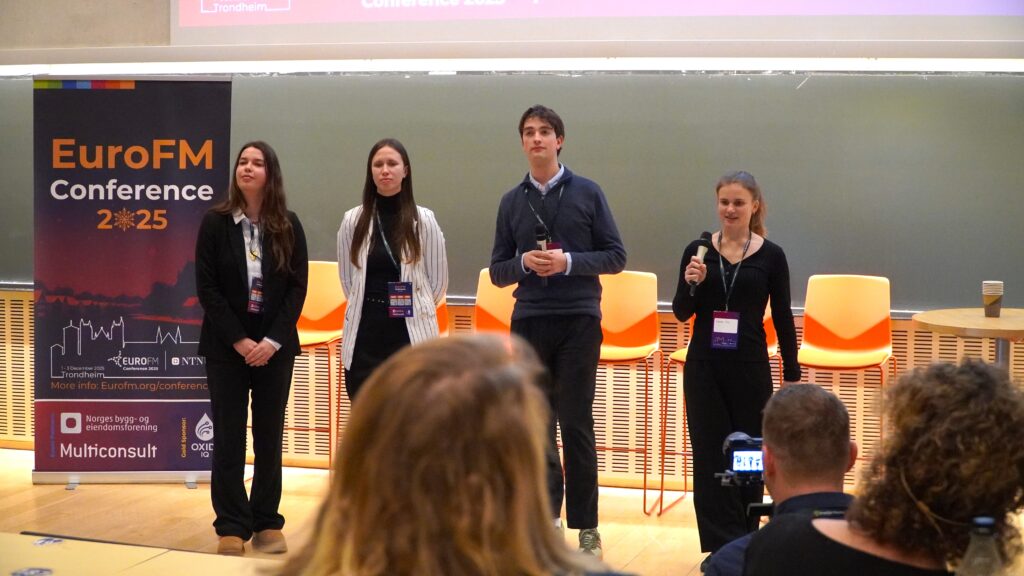
EuroFM Student Challenge 2025 team: Kamile Uikyte, Judith Bogema, Teun van Aalten and Isabelle Sigg

During the EuroFM Conference 2025 in Trondheim, three international student teams took part in the annual Student Challenge, exploring how Facility Management can actively shape a more sustainable future. Team 3 focused on a topic that is increasingly central to the profession: social sustainability.

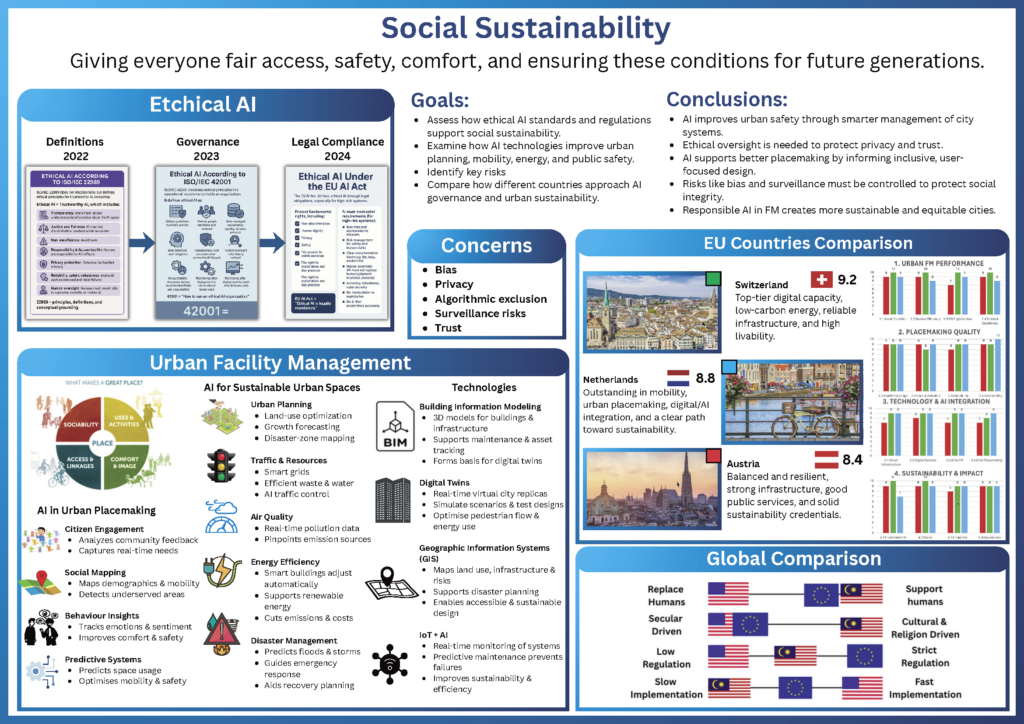
Cities are becoming more digital, and AI plays a growing role in how public spaces and buildings are planned and managed. Although these technologies can improve efficiency and comfort, they also raise concerns about fairness, privacy, and who benefits from them. Because of this, it is important to understand how AI can be used ethically to support social sustainability in urban spaces.
The importance of ethical AI, showing how definitions, governance standards, and new legal rules, such as the EU AI Act, aim to guide responsible use. Ethical AI focuses on reducing risks like privacy violations, algorithmic exclusion, and surveillance. It emphasizes transparency, trust and fair access for everyone. Clear guidelines help ensure AI develops in a way that protects people rather than harming them.

In Urban Facility Management, AI supports sustainable urban spaces through better planning, traffic and resource management, smart buildings, and energy efficiency. AI can help cities analyse mobility, detect patterns, and improve services like waste collection and lighting. Technologies such as digital twins, IoT sensors and real-time monitoring allow Facility Management to maintain safer, cleaner and more functional urban environments.

In the EU countries comparison, Switzerland, the Netherlands and Austria all score well, but for different reasons. Switzerland benefits from strong public services, the Netherlands is more focused on digital innovation, and Austria takes a steadier, more cautious approach. Even with these differences, they all show that combining technology with public involvement can support more socially sustainable urban spaces.

Finally, the social elements scale shows clear differences in how regions approach AI. The U.S. tends to move quickly with less regulation and a strong focus on automation, while Europe takes a slower, more controlled approach that tries to balance technology with human values. Malaysia is more cautious and bases its decisions on cultural and religious considerations, focusing a lot on data quality and governance. These differences show that AI adoption is closely linked to cultural norms and beliefs, and that understanding them is important for creating strategies that work across different regions.

👉 Read the full article to explore the complete research approach, detailed insights, academic grounding and practical applications.

Shaping the Future of Facility Management: A Focus on Social Sustainability

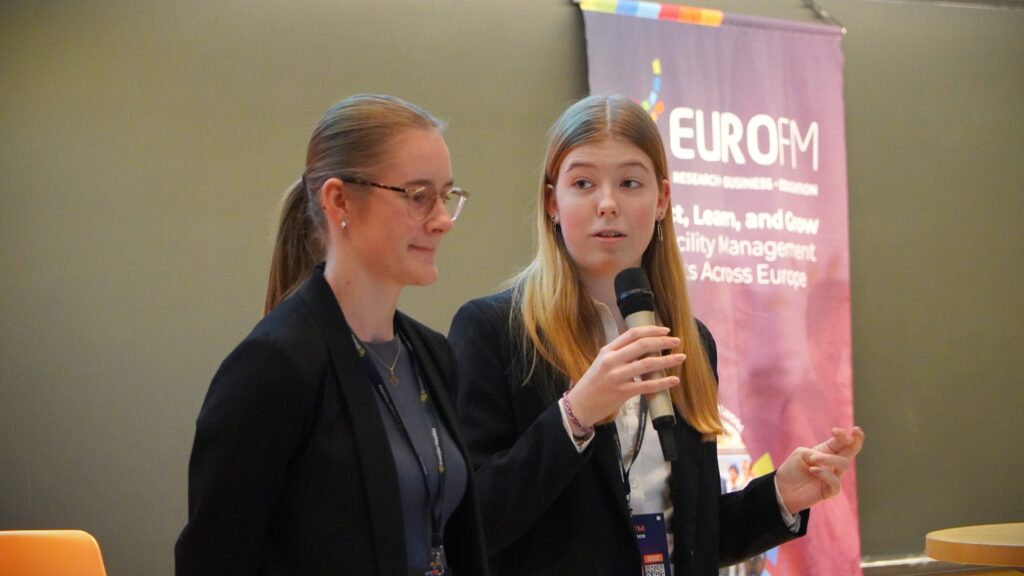
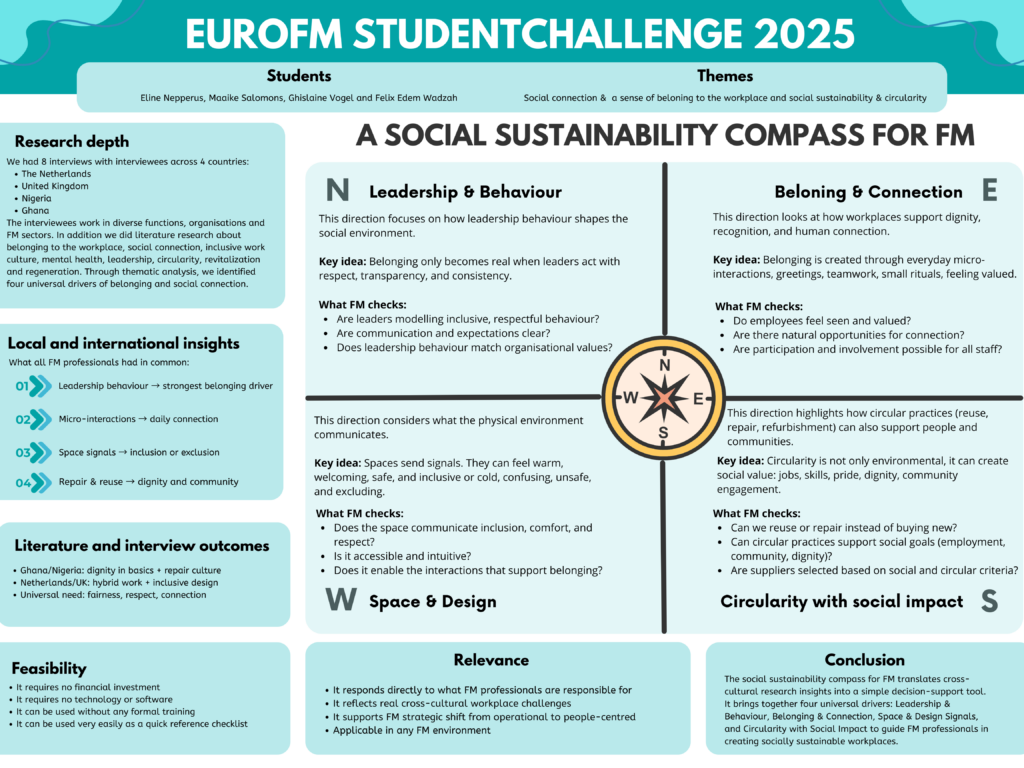
EuroFM Student Challenge 2025 team: Eline Nepperus, Maaike Salomons, Ghislaine Vogel and Felix Wadzah

During the EuroFM Conference 2025 in Trondheim, three international student teams took part in the annual Student Challenge, exploring how Facility Management can actively shape a more sustainable future. Team 1 focused on a topic that is increasingly central to the profession: social sustainability.

Their research began with a clear question: How can Facility Management strengthen social connection, belonging and community value in the workplace? Rather than approaching the topic from theory alone, each team member conducted in-depth interviews with FM professionals working in diverse geographical contexts, including the Netherlands, Ghana, Nigeria and the United Kingdom. This cross-cultural perspective allowed the team to identify patterns that transcend borders, sectors and organisational maturity levels.

What emerged from these conversations was a shared understanding that social sustainability is not an abstract concept. It is something people experience daily. It is reflected in leadership behaviour, in how colleagues greet each other, in whether spaces feel intuitive and respectful, and in whether repair, reuse and revitalisation efforts create pride rather than neglect.

Across all interviews, four recurring insights stood out:

  • Circularity and revitalisation generate social value when repair, reuse and responsible procurement strengthen community identity and stewardship.
  • Leadership and behaviour play a decisive role in shaping dignity, trust and psychological safety.
  • Belonging and connection grow through everyday micro-interactions, which require intentional design in hybrid work settings.
  • Space and design act as a silent messenger, communicating organisational values before a single word is spoken.

Building on these insights, the team translated their findings into a practical framework: the Social Sustainability Compass. Rather than prescribing fixed solutions, the compass functions as a reflective tool. It helps FM professionals recognise the social impact of their decisions and initiate conversations within teams, leadership groups and project environments. Its simplicity and visual structure make it applicable across organisations of different sizes and cultural contexts.

The prototype was tested and refined during the conference itself. Participants described it as a valuable bridge between strategic sustainability ambitions and daily FM decision-making. The feedback confirmed what the research had already suggested: social sustainability is not a “soft” add-on to technical performance. It is an essential dimension of future-oriented Facility Management.

The work of Team 1 demonstrates that FM is uniquely positioned to influence human experience. From leadership dynamics to spatial design and circular practice, Facility Management shapes how people feel in their workplace, whether they experience belonging, and whether they see their environment as something to care for collectively.

This introduction highlights only the key findings and the development of the Social Sustainability Compass.
👉 Read the full article to explore the complete research approach, detailed insights, academic grounding and practical applications.

Designing for Everyone: Key Insights on Inclusive Workplaces

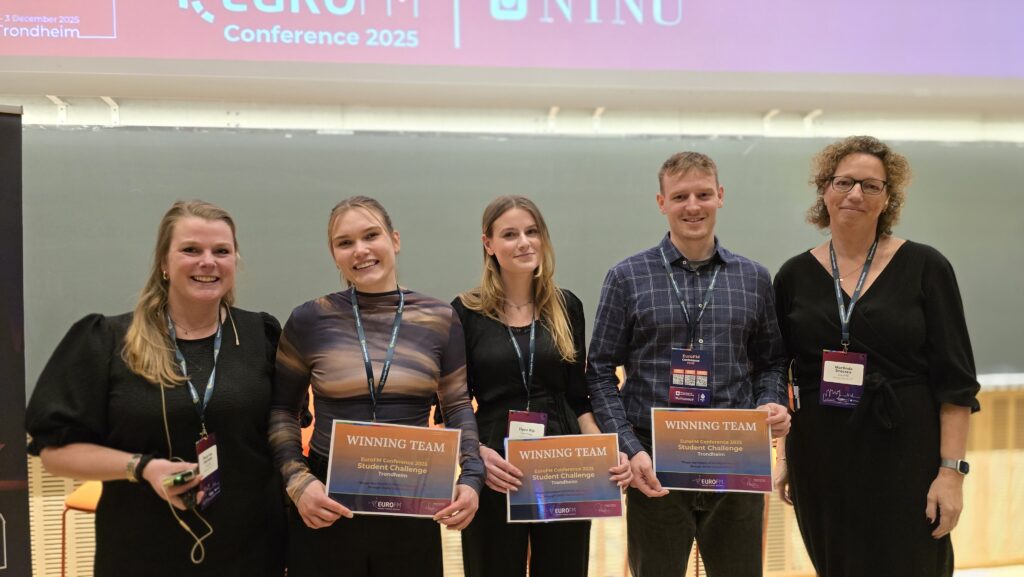
EuroFM Student Challenge 2025 Winning team: Kadi Matla, Dimitri Wolfisberg, Elyne Rip.

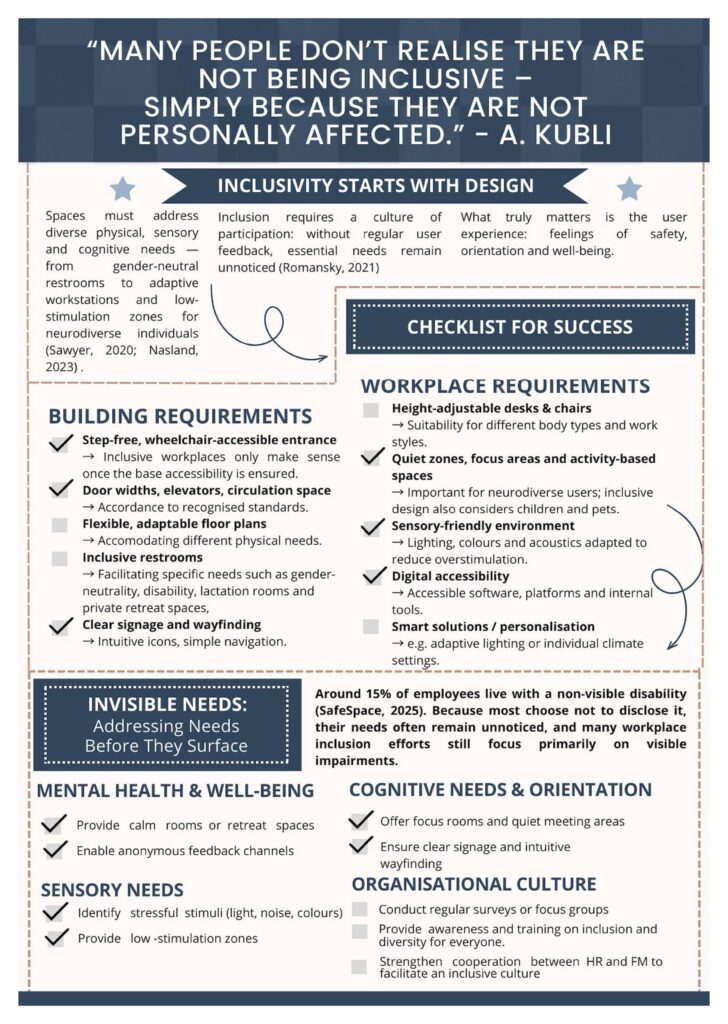
The EuroFM Student Challenge 2025 invited interdisciplinary student teams to explore how social sustainability can be strengthened within Facility Management. Our group focused on “Engagement and participatory approaches in FM” and “Diversity and inclusiveness, including gender and neurodiversity”. At the start, we formed a shared understanding that social sustainability in FM requires environments that support equity, inclusion, engagement and well-being. This became the basis for our research question: What common factors can be identified across best practice examples of inclusive Facility Management – and what can be learned from them for future FM strategies?

Our international team conducted desk research and six expert interviews in Switzerland, the Netherlands and Estonia. FM professionals described inclusion as moving away from designing for a “standard” user and instead acknowledging diverse needs. Literature showed that inclusion goes beyond minimum accessibility and requires welcoming, intuitive and adaptable spaces.

A key insight was the distinction between Building Requirements and Workplace Requirements. Building Requirements are fixed infrastructural foundations such as step-free access, circulation routes, lifts, door widths, barrier-free sanitary rooms and structural aspects like lighting, acoustic performance and ventilation. Since retrofitting is often costly or unrealistic, experts described Building Requirements as “non-negotiable pillars”.

Download checklist and research plan here!

Workplace Requirements, in contrast, are flexible and can be adapted throughout the building’s life cycle. They include ergonomic furniture, adjustable lighting, zoning for different cognitive and sensory needs, quiet rooms, gender-neutral areas and digital accessibility. Interviewees noted that many inclusive solutions occur “indirectly”, but more intentional FM practices are necessary to support neurodiverse and gender-diverse users.

Invisible needs appeared as a recurring theme. An estimated 15% of employees live with non-visible disabilities (SafeSpace, 2025). Interviewees such as A. Kubli and M. Moser explained that inclusive outcomes often happen unintentionally and that spatial conditions strongly influence well-being. FM should therefore proactively prevent overstimulation and provide retreat options.

Inclusion also depends on organisational culture and participation. Structured stakeholder involvement, surveys, feedback loops and transparent communication were emphasised as essential (Romansky, 2021; Tagliaro, 2023). Soft skills of FM staff significantly influence user satisfaction (TEAM, 2024; Sawyer, 2020). Challenges include cost constraints, space limitations, resistance to change and the lack of systematic standards.

Based on these findings, we created an infographic with four interconnected pillars: Building Requirements, Workplace Requirements, Invisible Needs and Organisational Culture. It serves as a practical checklist and conversation tool. Overall, inclusive FM requires awareness, early planning, flexibility and continuous dialogue. Measures that promote inclusion ultimately create better workplaces for everyone.

International Autumn School Facility Management 2025 in Heerlen

173 students from six European universities collaborate on real-life FM challenges in Heerlen.

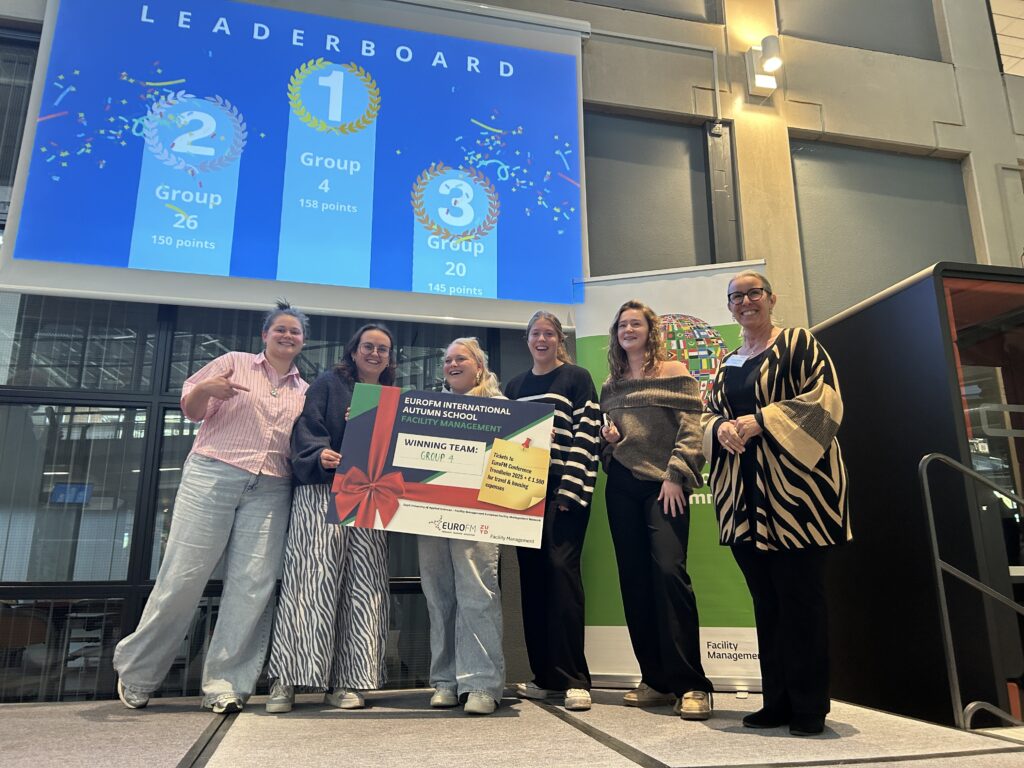
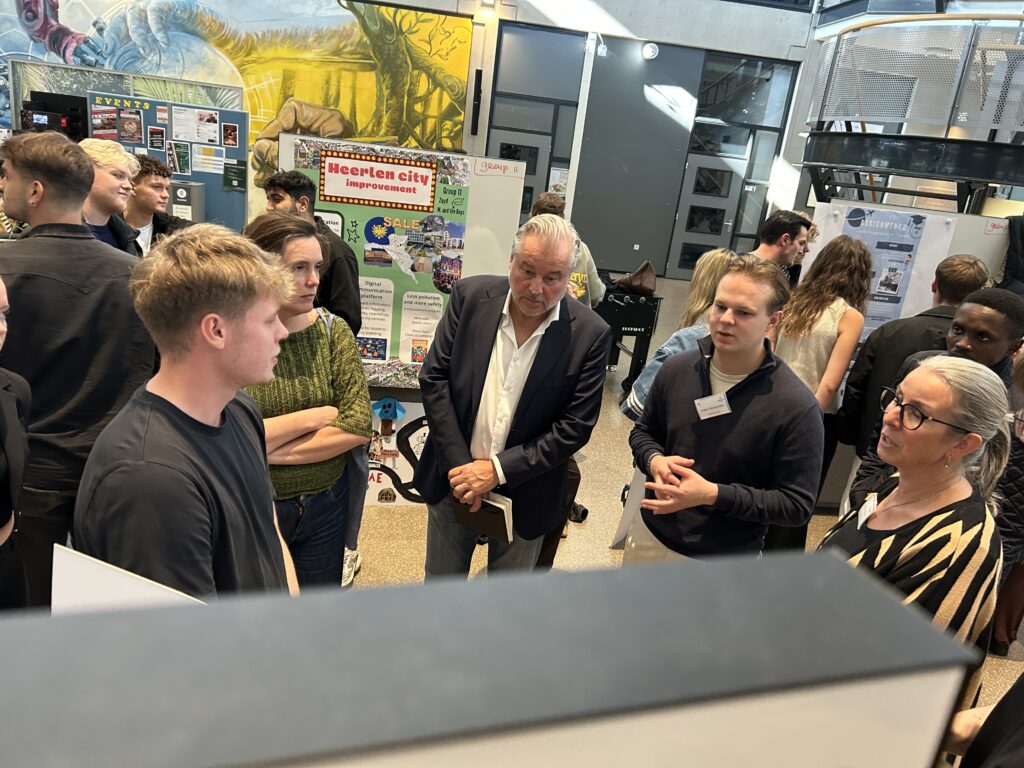
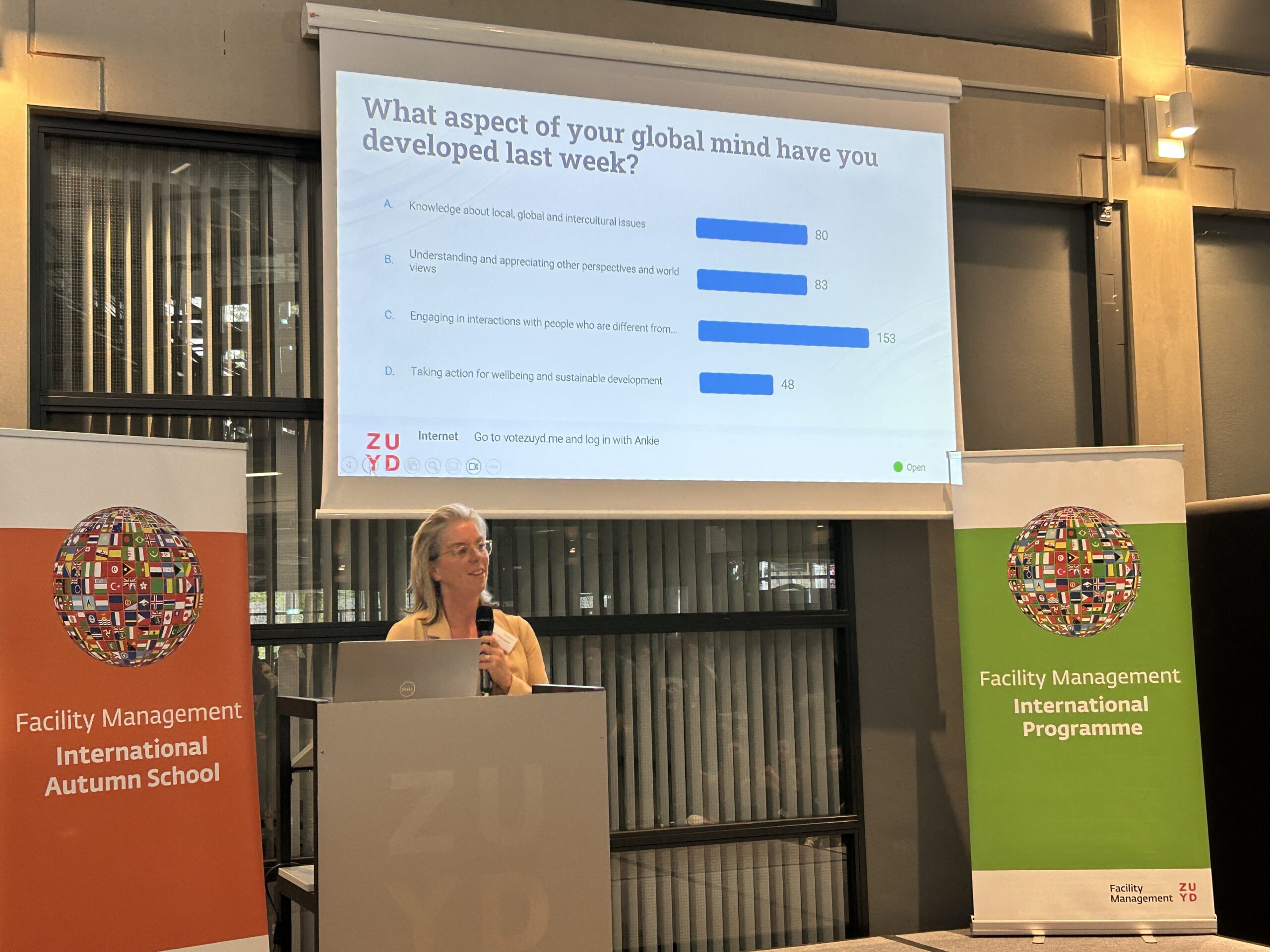
In early October 2025, 173 students from four countries and six universities worked side by side for a week during the EuroFM International Autumn School FM, hosted by Zuyd University of Applied Sciences in Heerlen, the Netherlands. The program teaches Facility Management students how to collaborate across borders while gaining insight into how cultural differences influence their field. Working together and competing for the win.

The challenges for this edition? Assisting the Municipality of Heerlen in resolving contractual issues related to a DBMO agreement (Design, Build, Maintain & Operate) and advising the wellness resort Thermae 2000 in Valkenburg on how to enhance the visitor experience through a guest journey approach.

Excitement and Fun

From Monday 6 to Friday 10 October, mixed student teams from Zuyd, FH Kufstein (Austria), DHBW Stuttgart (Germany), UCLL and Helb Brussels (Belgium), and The Hague University of Applied Sciences engaged in a thrilling competition. Scores were tracked daily on a leaderboard, adding extra excitement to the week. Teams had to outdo each other by delivering strong solutions for the clients. The winning team walked away with a cheque sponsored by EuroFM for €2,000, covering travel and accommodation costs for a visit to the EuroFM conference in Trondheim.

Celebrating Excellence: The EuroFM Awards 2025

EuroFM Honours Excellence with Awards at Conference Dinner in Trondheim

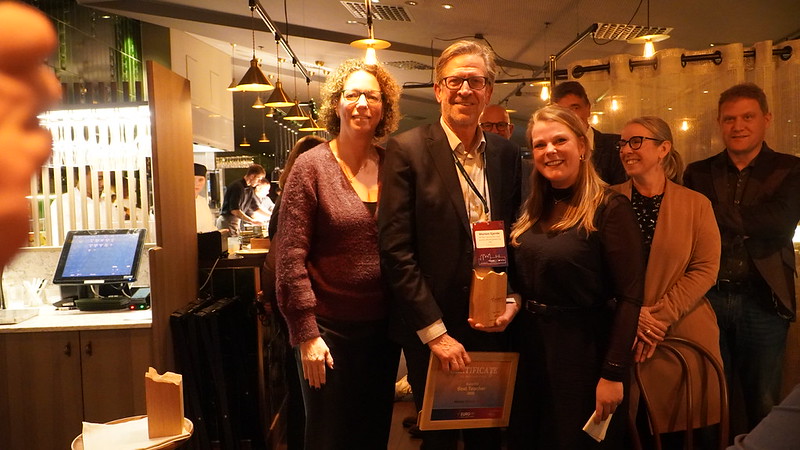
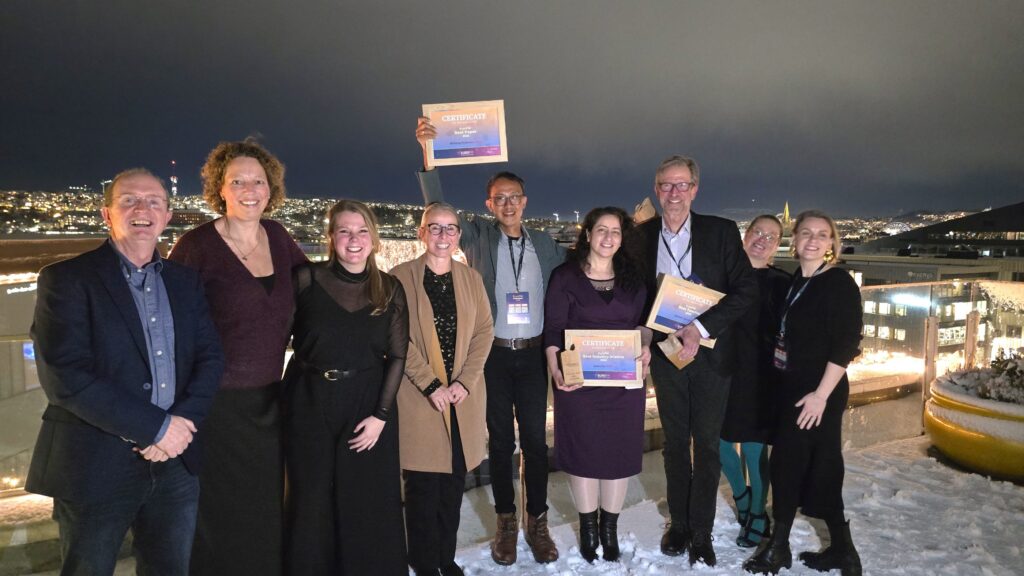
During the EuroFM Conference in Trondheim, Norway, the EuroFM community gathered for a festive and inspiring award ceremony held during the conference dinner. The evening provided a moment to pause and celebrate excellence within the Facility Management profession, recognising individuals and initiatives that are making a meaningful impact across industry, research and education. In total, three EuroFM Awards were presented, each highlighting a different dimension of professional excellence and reflecting the diverse strengths of the EuroFM network.

Best Industry Initiative

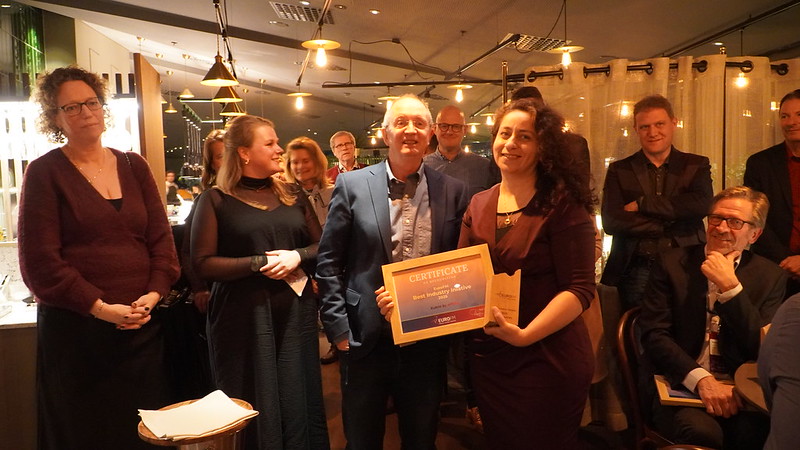
The Best Industry Initiative Award recognises organisations that push the boundaries of Facility Management through innovation, impact and a strong societal vision. This year’s winner was XUKRA, founded by Mais Taha in Malta.

XUKRA impressed the jury with its human-centred, sustainability-driven approach to workplace management. Rather than focusing solely on operational efficiency, XUKRA integrates wellbeing, inclusivity and ESG principles into everyday workplace practices. Through a positivity-driven digital platform, the organisation promotes recognition, transparency and engagement, while linking employee reward systems to environmentally responsible choices.

The jury highlighted XUKRA’s rapid growth, international relevance and clear focus on impact over profit alone. Their approach demonstrates how Facility Management can actively shape organisational culture and contribute to healthier, more ethical and future-ready workplaces.

Other nominated initiatives for the Business Industry Initiative Award were Shukri Habib and Qualitas, both recognised for their valuable contributions to the industry.

Best Paper Award

The EuroFM Best Paper Award honours outstanding academic research that advances knowledge in Facility Management and connects theory with practice. This year, three high-quality papers were nominated. The award was ultimately presented to Bintang Prabowo for the paper Community-Based Facility Management in an Urban Experiment Area: Case Svartlamon.

The jury praised the paper for its conceptual ambition, originality and strong alignment with the conference theme “Social FM”. The research contributes to emerging debates on Urban FM and socially sustainable placemaking, offering valuable insights for both researchers and practitioners.

The other nominated papers were Two types of hybrid workers by Deniz Tuzcuoglu et al., and The Impact of Lighting and Indoor Air Quality on Students’ Comfort and Performance by Wim Krijnen et al. All three papers were recognised as strong contributions to the field.

Best Teacher Award

Education is a cornerstone of the Facility Management profession, and the EuroFM Best Teacher Award celebrates those who inspire and prepare the next generation of FM professionals. The EuroFM Board selected Professor Morten Gjerde (NTNU) as this year’s winner, in recognition of his outstanding educational leadership and long-term impact on FM education.

The nominees for the Best Teacher Award 2025 were the DEEP COIL Team, Shady Yehia, Lukas Windlinger and Morten Gjerde. Professor Gjerde was nominated by students, colleagues and departmental leadership, reflecting his broad influence within the academic community. Under his guidance, the NTNU master programme has developed into one of the few programmes in Europe where Facility Management plays a central role. His work is characterised by a strong connection between research and practice, a clear focus on sustainability, and an inclusive, future-oriented learning environment.

Celebrating impact across the EuroFM community

EuroFM congratulates all award winners and nominees and thanks them for their dedication, inspiration and contributions to the advancement of Facility Management. The award ceremony in Trondheim was not only a celebration of individual achievements, but also a reflection of the strength, diversity and forward-looking spirit of the EuroFM community.

Highlights from EuroFM Conference 2025: Shaping the Future of FM in Trondheim

Highlights from EuroFM Conference 2025: Shaping the Future of FM in Trondheim

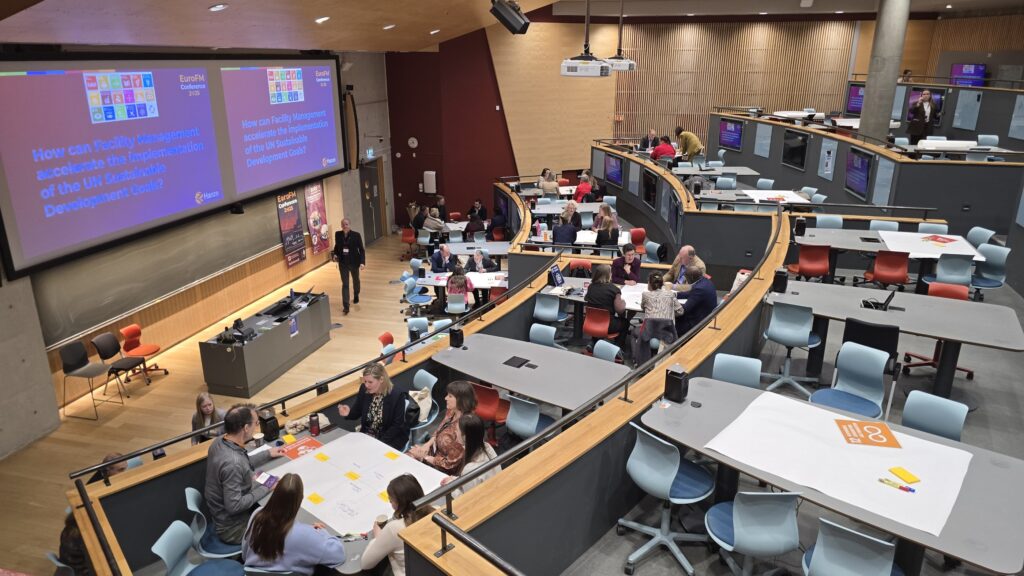
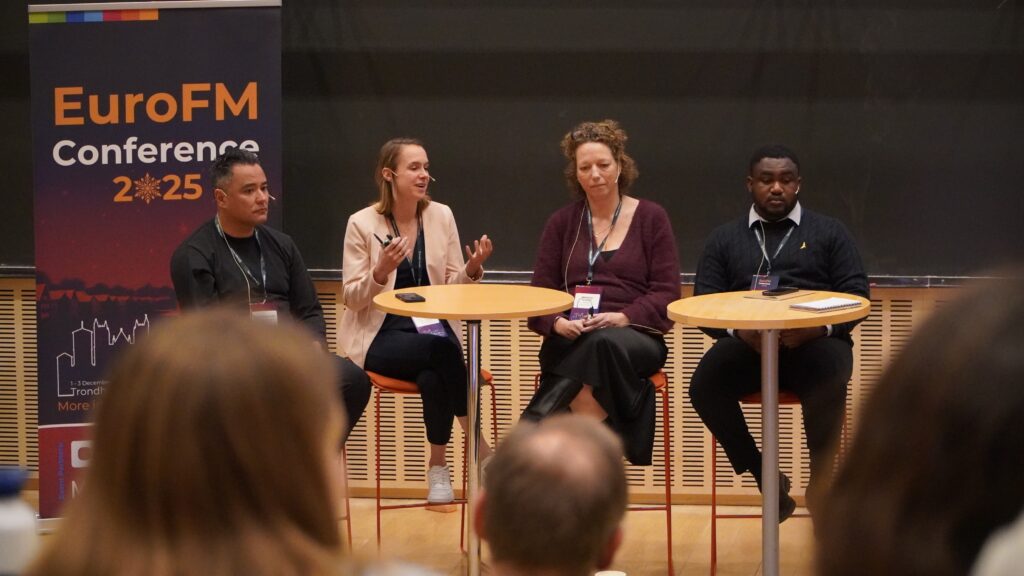
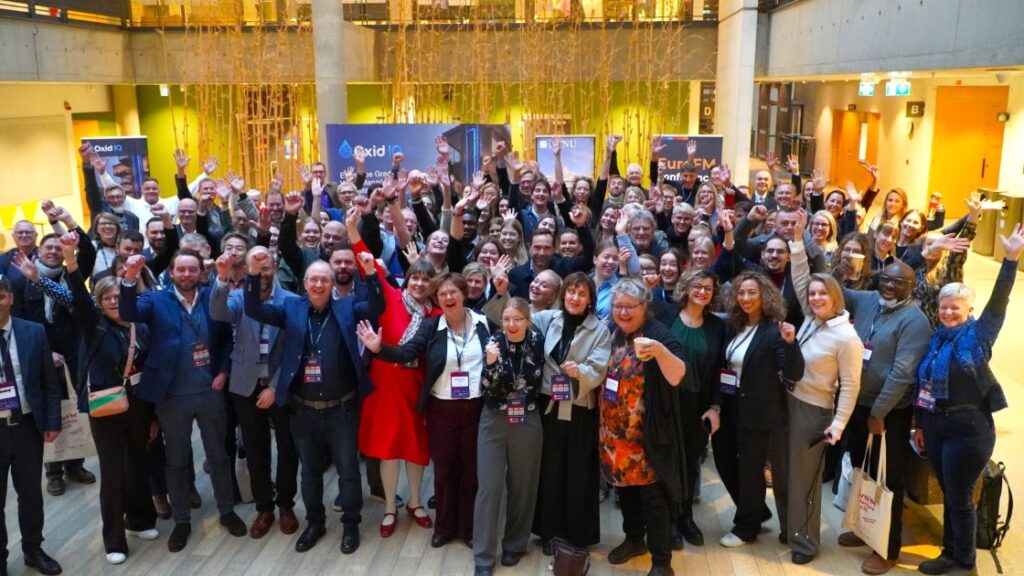
From 1 to 3 December, the beautiful city of Trondheim, Norway, became the beating heart of the European Facility Management community. In close collaboration with NTNU and with the support of NBEF, Multiconsult and Oxid lQ, EuroFM proudly hosted its 30th annual conference alongside the 24th EuroFM Research Symposium. And what an inspiring few days it turned out to be!

Over three days, facility management practitioners, researchers, lecturers, students and industry stakeholders from across Europe came together to exchange knowledge, challenge assumptions and explore how we can collectively shape the future of Facility Management. The conference once again demonstrated the strength of the EuroFM community. Diverse perspectives, open dialogue and a shared ambition to move the profession forward were present in every session and conversation.

Key themes shaping the FM profession

The program offered a rich mix of keynotes, paper presentations, workshops and interactive discussions, all centred around the evolving role of Facility Management in society. A strong focus was placed on creating workplaces that foster social connection and a true sense of belonging.

Participants explored how FM can actively contribute to social sustainability, not only within organisations but also in the wider urban context. Circularity, revitalisation and regeneration strategies were discussed as essential approaches to making better use of existing buildings and infrastructure.

Another important theme was engagement and participation. Sessions highlighted how participatory approaches can empower users, owners and other stakeholders, leading to more resilient and future-proof workplace solutions. Diversity and inclusiveness were also high on the agenda, including discussions on gender balance and neurodiversity in the workplace, and how FM professionals can actively support inclusive environments.

Ethics and responsibility played a key role as well. With the growing use of data and AI in Facility Management, participants reflected on ethical considerations, governance and integrity. These discussions underlined the importance of using technology in a way that supports people, organisations and society in a responsible and transparent manner.

Finally, the conference looked beyond individual buildings towards cities and communities. Innovative approaches to urban FM and place-making showed how the profession can help shape sustainable, liveable and inclusive environments at a larger scale.

Celebrating Excellence: The EuroFM Awards

During the conference, the EuroFM Awards celebrated outstanding research contributions, industry initiatives and best teachers from the past year. These awards highlight the quality, relevance and impact of FM within the EuroFM network. During the Charity Dinner on day 1, three EuroFM Awards were presented, celebrating excellence and impact within the Facility Management community.

Best Industry Initiative Award
Awarded to XUKRA (founder: Mais Taha) for its human-centred and sustainability-driven approach to workplace management. Other nominees were Shukri Habib and Qualitas.

Best Paper Award 2025
Awarded to Bintang Prabowo for Community-Based Facility Management in an Urban Experiment Area: Case Svartlamon. Other nominated papers were authored by Henk W. Brink et al, and Deniz Tuzcuoglu et al.

Best Teacher Award 2025
Awarded to Professor Morten Gjerde (NTNU). Other nominees were the DEEP COIL Team, Shady Yehia and Lukas Windlinger.

From knowledge sharing to real-life inspiration

The first two days of the conference were fully dedicated to knowledge sharing, dialogue and collaboration. Researchers and practitioners met on equal footing, creating valuable connections between theory and practice. This exchange is at the core of EuroFM’s mission and was strongly reflected throughout the program.

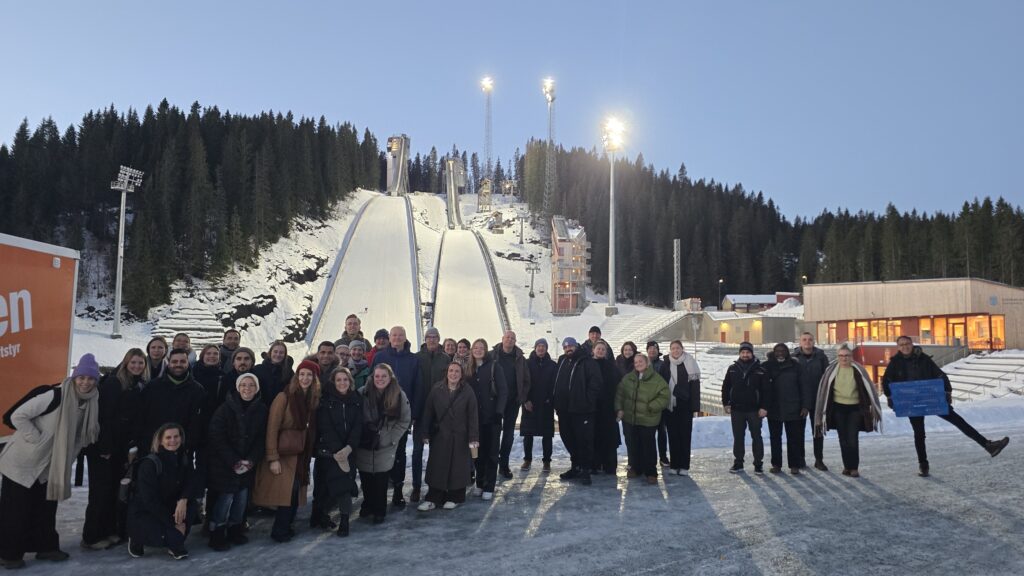
The third day offered participants a unique and memorable experience. A visit to the iconic ski jumps at Granåsen provided a behind-the-scenes look at how this world-class sports venue is managed from a facility perspective. The site visit, combined with an insightful presentation by the local FM team, offered a powerful example of operational excellence, innovation and long-term asset management in practice.

Student Challenge

The EuroFM Student Challenge 2025 brought together students from across Europe to explore how Facility Management can actively contribute to a more socially sustainable and inclusive future. Working in international teams, participants investigated social sustainability from their local contexts, co-created concepts and tested their ideas during the EuroFM Conference in Trondheim in dialogue with researchers and FM professionals.

The winning team, Kadi Matla, Dimitri Wolfisberg and Elyne Rip, impressed the jury with a practical and impactful solution: a beautifully designed, easy-to-use checklist that helps organisations actively embed inclusivity into their daily practices and organisational culture. Their concept clearly demonstrated how FM can move from intention to action, supporting inclusive workplaces in a structured and accessible way. Download their ckecklist for success here!

Looking ahead

EuroFM would like to thank all speakers, authors, moderators, partners and participants for their energy, insights and commitment. Your contributions made these days in Trondheim truly inspiring and impactful. We look forward to continuing this journey together and to further strengthening the connection between research, education and practice within Facility Management. We hope to welcome you again at the next EuroFM Conference.

EuroFM welcomes two new Board Members: Asaël Akkerman and Nikos Vasilopoulos

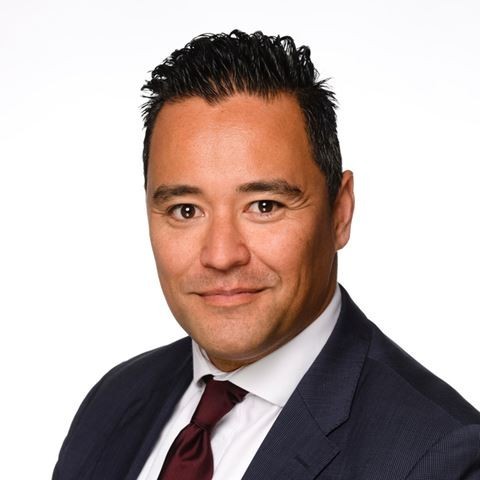
EuroFM is pleased to announce the appointment of two new board members, Asaël Akkerman (Netherlands) and Nikos Vasilopoulos (Greece), following their unanimous approval during the General Members Meeting on 9 December 2025. Their addition marks an important step in strengthening EuroFM’s strategic direction, broadening regional representation and ensuring a balanced mix of expertise within the Board.

Bringing research, practice and European diversity closer together

Both newly appointed members bring a strong international perspective and a deep commitment to the future of the facility management profession. Their backgrounds reflect EuroFM’s core mission: connecting research, education, and practice across Europe.

Asaël Akkerman: connecting applied research and FM practice

Based in the Netherlands, Asaël Akkerman is a recognised thought leader in workplace strategies and a board member at Workplaced. He works on improving people, buildings and services, combining a background in hospitality, business administration and facility management with applied research. After completing his hotel management studies and an MBA in Facility Management, he built extensive experience as an FM practitioner in complex, dynamic environments. Previously, he served on the executive board of Spacewell and was a partner at Cushman & Wakefield.

Asaël works at Workplaced, where he collaborates closely with a team of researchers. His day-to-day work revolves around translating research insights into practical, strategic value for organisations. During his introduction, he emphasised how EuroFM plays a unique role in uniting the European FM research landscape, and expressed his ambition to help strengthen the collaboration between universities, practitioners and national FM communities.

“I see enormous potential in creating stronger country-to-country connections and in making research more accessible to the wider FM field,” he shared during the meeting. “EuroFM is one of the few organisations in Europe that truly bridges these worlds.”

Nikos Vasilopoulos: championing innovation and the role of AI in FM

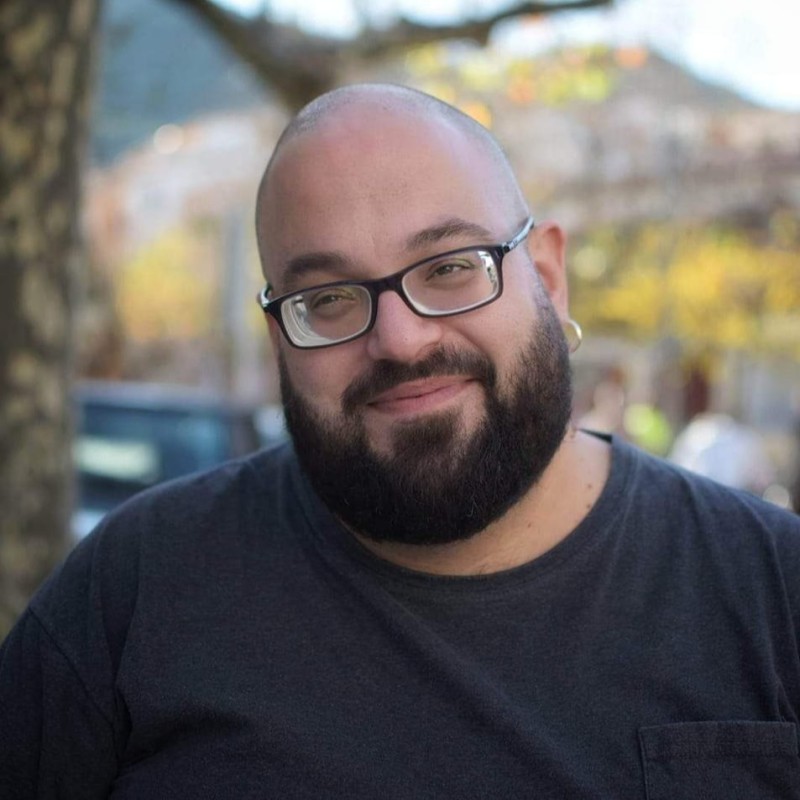
Nikos Vasilopoulos lives in Athens and works in his role as in-house Facilities Manager for GWI, an international AI-driven market research company. His passion lies in the intersection between technology and the human workplace. According to Nikos, the rapidly expanding possibilities of artificial intelligence present an enormous opportunity for FM professionals to enhance workplace experience, decision-making and operational efficiency.

Nikos first connected with EuroFM during World Workplace Europe, where he immediately recognised the value of an international FM knowledge network. As a board member, he aims to give stronger representation to Southern Europe, contribute fresh perspectives on digitalisation and innovation, and help engage regions where FM is still emerging as a formal discipline.

“In many countries in Southern Europe, FM is evolving quickly but inconsistently,” he explained. “EuroFM can be a powerful connector and accelerator, and I would like to help build those bridges.”

Strengthening EuroFM’s future

With the appointment of Asaël and Nikos, the EuroFM Board expands to eight members, enabling better distribution of responsibilities and allowing EuroFM to respond more effectively to its growing portfolio of activities across Europe. Their combination of practical FM experience, research affinity and international orientation aligns strongly with EuroFM’s ambitions for 2026 and beyond.

EuroFM warmly welcomes both board members and looks forward to their contributions to the network, its members, and the broader FM community.

Closed: EuroFM opens call for new board member!

The opportunity to apply as a board member is now closed!

EuroFM is pleased to announce an open call for a new Board Member. As part of its ongoing mission to advance knowledge in Facility Management across Europe, the association is inviting engaged professionals to join its Board and contribute to the strategic direction of EuroFM.

The EuroFM Board is composed of seven members representing four European countries. Together, they bring a wide range of expertise from business, education, and research. By joining, the new member will become part of this international leadership team and help strengthen EuroFM’s role as a hub for practice, education, and research in Facility Management.

The role of Board Member includes contributing to the innovation and positioning of the FM field, supporting knowledge sharing, strengthening professional networks, and helping the association grow. Candidates are expected to bring vision, empathy, strong communication skills, and strategic insight, alongside experience in administration or management.

EuroFM is particularly interested in candidates with affinity or experience in treasurership. The treasurer responsibilities include overseeing the financial management of the association, preparing financial reports, and ensuring that EuroFM’s resources are aligned with its strategic goals.

Board membership is an unpaid voluntary position, with travel and expenses reimbursed. The time commitment is on average 4–8 hours per week. Members are appointed for a two-year term, renewable up to a maximum of eight years.

Interested in joining the EuroFM Board? You can find the full role profile here.