Theme of the 2027 symposium: Quarter of a Century in FM Research – Foundations and Frontiers.
The Call for Papers for the 25th EuroFM Research Symposium is now officially open. Taking place on 18–19 February 2027 in Kufstein, Austria, this milestone edition marks a special moment for the EuroFM community. Under the theme “Quarter of a Century in FM Research: Foundations and Frontiers”, the symposium celebrates 25 years of advancing Facility Management knowledge while looking ahead to the future of the field.
Submit your abstract before 7 June 2026, 23.59.
A milestone for research and practice
This anniversary edition invites contributions that reflect both the foundations of FM research and the emerging frontiers shaping the profession today. We welcome submissions from both academic researchers and industry professionals, encouraging a diverse exchange of ideas, insights, and innovations that will drive the next phase of Facility Management.
Key themes
Submissions may address, but are not limited to, the following topics:
- Workspace evolutions: people, culture, and communities
- Transformative practices: circular, regenerative, and sufficiency-based FM
- Resilience in FM: crisis management, cybersecurity, and climate adaptation
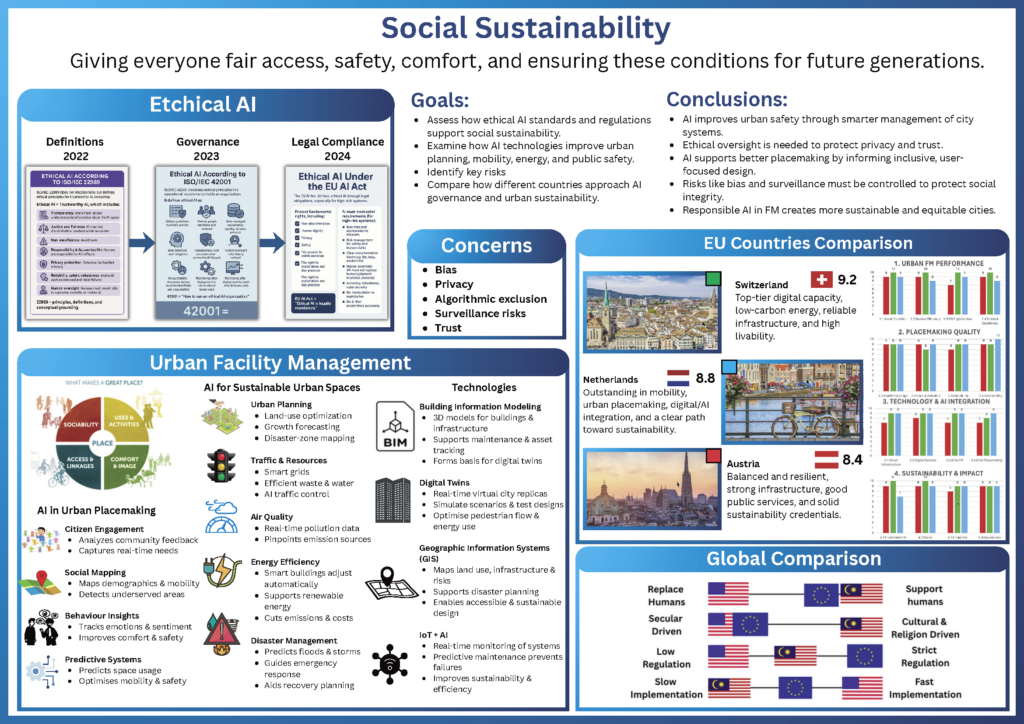
- Emerging technologies: AI, predictive maintenance, and data-driven FM
- Beyond the building: campus, urban, and rural FM
These themes reflect the evolving role of FM as a strategic discipline shaping environments, organisations, and society.
Important dates
- 7 June 2026 – Deadline for abstracts
- 13 September 2026 – Deadline for full paper submissions
- 25 October 2026 – Reviews to authors
- 22 November 2026 – Deadline for revised papers
- 23 December 2026 – Final acceptance decisions
- 17 January 2027 – Camera-ready papers due
- 18–19 February 2027 – EuroFM Research Symposium
Publication and presentation
All submissions undergo a double-blind peer review process, ensuring high academic quality and relevance. Accepted papers will:
- Be presented during the symposium (20-minute presentation slot)
- Be published in the open access conference proceedings
- Receive a DOI and ISBN, increasing visibility and impact
Please note that papers must be presented at the conference to be included in the proceedings.
Types of contributions
The symposium welcomes a wide range of paper types, including:
- Research papers
- Review papers
- Conceptual papers
- Technical papers
- Viewpoint papers
- Educational papers
This diversity reflects EuroFM’s commitment to bridging research, education, and practice.
Submit your abstract
Authors are invited to submit an abstract of up to 250 words, outlining:
- Title and authors
- Background and research aim
- Methods and data
- Key results
- Originality
- Practical or societal implications
- Keywords and paper type
Join the conversation
The EuroFM Research Symposium is more than a conference. It is a platform where ideas meet practice, where research connects with industry, and where the future of Facility Management takes shape. Whether you are an experienced researcher or an emerging voice in the field, we invite you to contribute to this special anniversary edition.